
The food science of edibles
Where cannabis meets the kitchen, explained.
Cannabis Edibles CA looks at the craft and chemistry behind edibles in California, from chocolate and infusion science to labelling rules and how licensed shops present them.
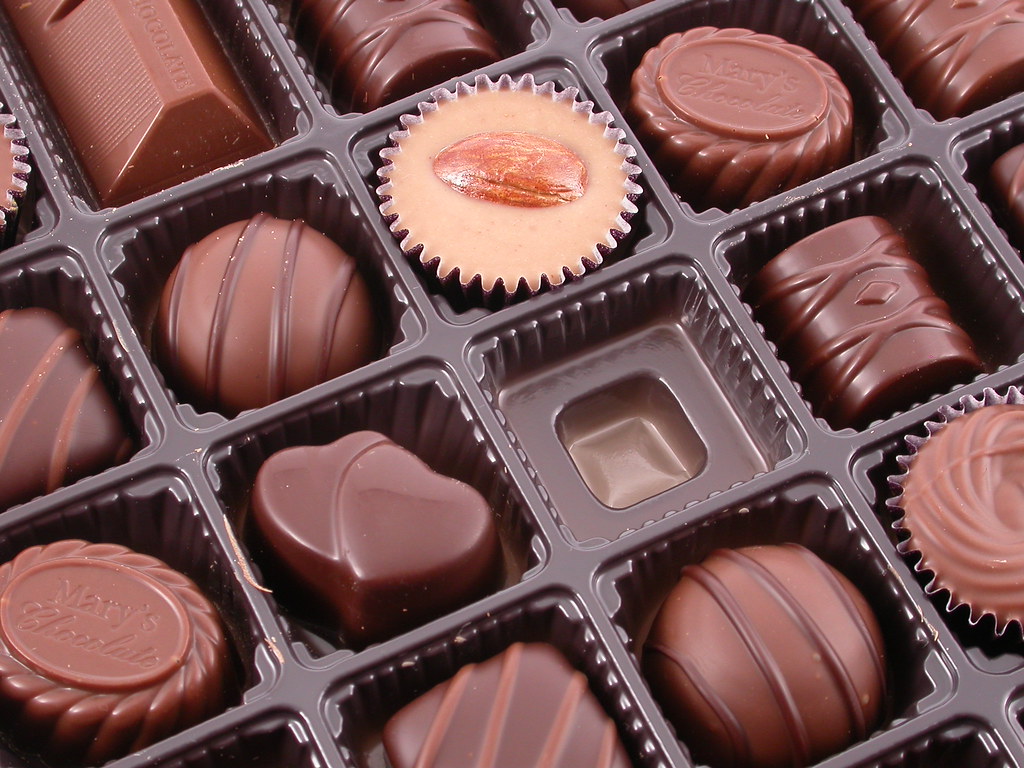
Fresh from the kitchen
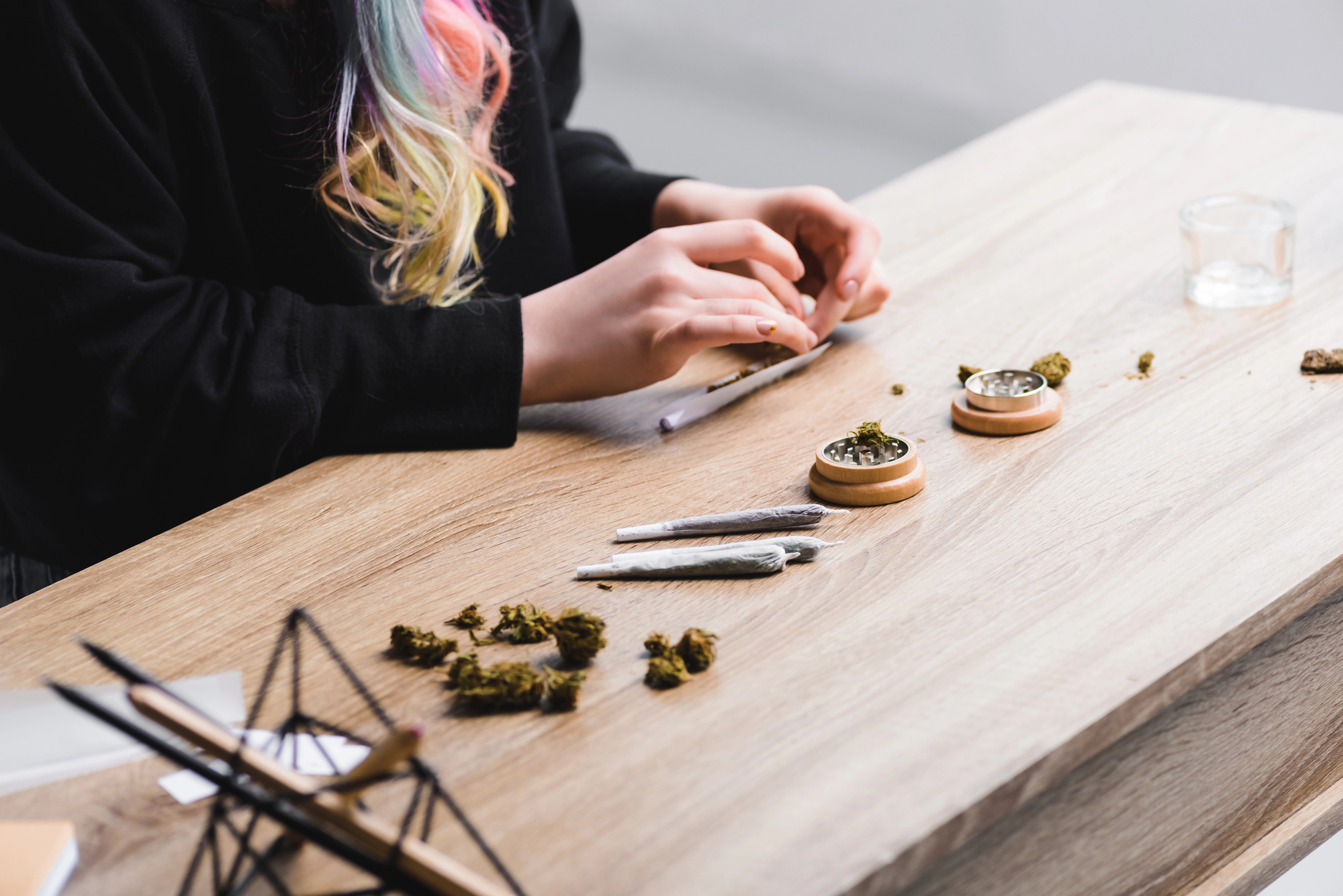
Magasin cannabis près de moi à Oka : où aller et quoi savoir
L’essentiel : Pour un magasin de cannabis près de vous à Oka, la référence est Bear’s Den Cannabis,…

How to Choose a Newton Dispensary in 2026: A Practical Buyer’s Guide
Quick answer: Newton has solid licensed cannabis dispensaries, Garden Remedies, The Green Lady, and Ascend among them, plus…
Beginner’s Guide to Psychedelic Mushroom Chocolate Bars
Psychedelic mushroom chocolate bars have gained significant attention as a modern and accessible way to experience psilocybin. By…
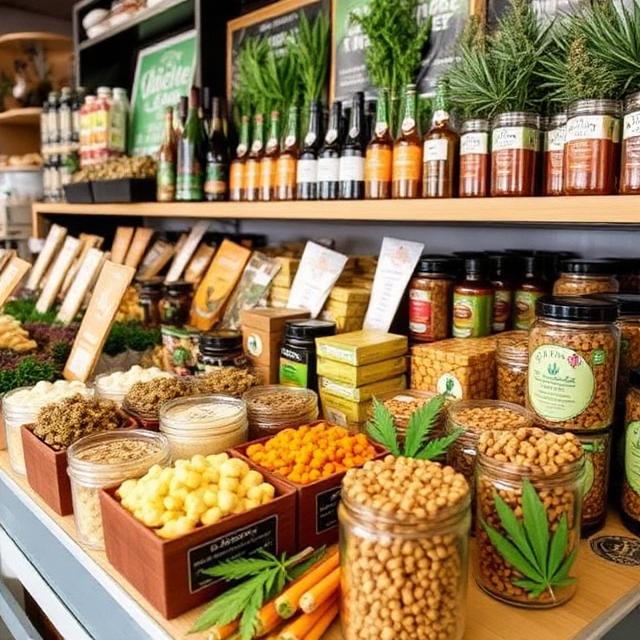
Future of Cannabis Edibles in California: 2026 and Beyond
Photo: CoCreatr via flickr, CC BY-SA 2.0 The cannabis edibles market in California is moving into a new…
Our three beats
Practical explainers for curious adults and food lovers.
01
Chocolates and confections
Why fat-based foods like chocolate carry cannabinoids well, and how makers keep each piece consistent.
02
THC edibles and dosing
How serving sizes are defined, why onset is slower than smoking and how to read potency on a label.
03
Dispensary guides
What to expect from licensed California dispensaries, from ID checks to product displays and lab reports.
Our approach
What guides our writing
Edibles deserve careful, accurate coverage. These principles shape every article.
- Food science explained in plain English
- California rules cited accurately
- Responsible, adults-only perspective
- Independent, with no products to sell
Frequently asked questions
What makes chocolate a common edible format?
Cannabinoids dissolve in fats, so cocoa butter carries them evenly. Chocolate also makes it easier to portion consistent servings.
Does Cannabis Edibles CA sell products?
No. We are an independent editorial site. We do not sell, ship or supply edibles or any cannabis products.
What are California’s limits on edible potency?
Licensed edibles in California are limited to 10 mg of THC per serving and 100 mg per package, and must be sold in child-resistant packaging to adults 21 and over.
Explore the science of edibles.
Read our latest articles on infusion, confections, dosing and California dispensaries.